How to Calculate Ecommerce Profit Margin (Formula + Example)
Net profit margin is simple as a formula but easy to misread when marketplace fees, fulfillment, tax, ads, returns, and storage are missing from the model.
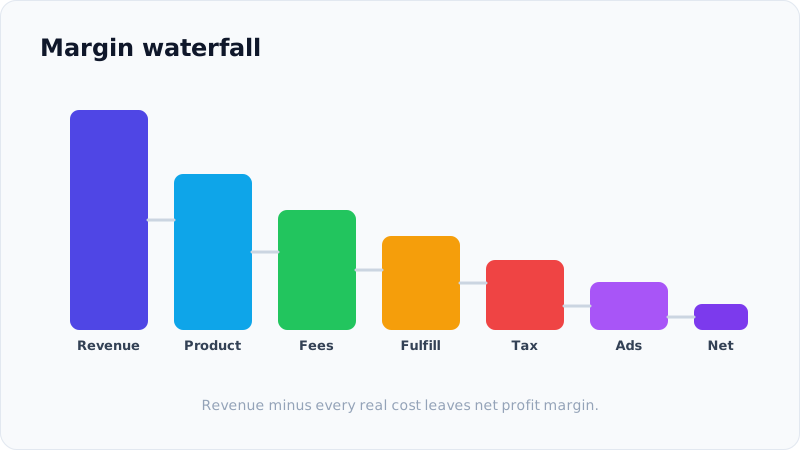
Net profit margin = Net profit ÷ Revenue × 100. For ecommerce, net profit means sale price minus product cost, marketplace fees, fulfillment, duty or tax, ad spend, return loss, and any other order-level costs. The formula is simple; the hard part is making sure every cost that touches the order is included before you call the product profitable.
The formula
| Term | Meaning |
|---|---|
| Revenue | The customer sale amount before subtracting costs |
| Net profit | Revenue minus product cost, fees, fulfillment, duty or tax, ads, returns, and other order costs |
| Net profit margin | Net profit divided by revenue, multiplied by 100 |
| Gross margin | A narrower view that usually subtracts product cost before full operating costs |
A worked example
The numbers below are hypothetical and illustrative only. They are not Amazon, TikTok, carrier, tax, or duty rates; use your real inputs in the Profit Margin Calculator or /calc for current results.
| Line item | Illustrative amount | Running net |
|---|---|---|
| Sale price | $30.00 | $30.00 |
| Product cost | -$8.00 | $22.00 |
| Marketplace fees | -$4.50 | $17.50 |
| Fulfillment | -$5.00 | $12.50 |
| Duty / tax reserve | -$1.50 | $11.00 |
| Ad spend | -$3.00 | $8.00 |
| Return loss reserve | -$1.00 | $7.00 |
| Net profit margin | $7.00 ÷ $30.00 × 100 | 23.3% |
Gross margin vs. net margin
Gross margin is useful for a quick product-cost screen, but net margin is the seller's reality. Ecommerce orders often carry marketplace fees, fulfillment, storage, duty, VAT or consumption tax, ad spend, refunds, and return loss. A product with healthy gross margin can still underperform once the full order stack is included.
The costs sellers forget
- PPC and ACoS: ad spend can turn a profitable organic order into a thin paid order.
- Returns and refunds: refund loss, resale damage, and return shipping can erase margin.
- Storage: slow-moving inventory keeps costing money after the product arrives.
- Duty and VAT: landed cost and tax treatment can change cash flow and net profit by market.
Calculate your real margin
Run your own numbers with your real product cost, sale price, fulfillment, marketplace fees, duty or tax assumptions, ad spend, and return loss. Open Profitlee's Profit Margin Calculator or /calc, then use /resources to verify official rate sources before making pricing or inventory decisions.